- 3
- 8
- 3
- 4

- No.62, Melagama, Wadduwa, Sri Lanka 12560
- 24 x 7
Colombo, the vibrant and cosmopolitan capital of Sri Lanka, serves as the island’s primary gateway to the world and is often the first stop for international travelers. Blending old-world charm with modern sophistication, Colombo is a city of contrasts — where colonial-era architecture stands beside gleaming skyscrapers, and where ancient temples coexist with high-end shopping malls and fine dining.
More than just a layover city, Colombo offers a deep dive into Sri Lankan culture, cuisine, and history, making it a worthy destination in its own right.
Located on the west coast of Sri Lanka, Colombo stretches along the Indian Ocean and serves as the nation’s economic, political, and cultural heart. With its bustling harbor and convenient location, the city has historically been a strategic trading post — first for Arab traders, then colonized by the Portuguese, Dutch, and finally the British.
Today, it is the most urbanized and developed city in Sri Lanka, and is home to over 2 million people.
Bandaranaike International Airport (CMB), located about 35 km north in Katunayake, serves as Sri Lanka’s main international airport. It takes about 45 minutes to 1.5 hours to reach central Colombo depending on traffic.
Tuk-tuks are common for short distances.
Taxis and ride-hailing apps (PickMe, Uber) are widely used.
Buses and trains operate throughout the city.
Walking is ideal in districts like Colombo 1 to 7, but heat and humidity can be intense midday.
Colombo is divided into numbered districts known as Colombo 01 to Colombo 15. Notable areas include:
Colombo 01 (Fort): Colonial buildings, government offices, and the port.
Colombo 02 (Slave Island): Mixed development with shopping, hotels, and the Lotus Tower.
Colombo 03 (Kollupitiya): Hotels, embassies, and shopping.
Colombo 04 (Bambalapitiya): Retail and educational institutions.
Colombo 07 (Cinnamon Gardens): Leafy suburbs with museums and embassies.
Colombo 11 (Pettah): Bustling markets and cultural diversity.
A vibrant and eclectic Buddhist temple that blends traditional architecture with modern elements. The temple complex includes a museum, monk training center, and library, making it a cultural and spiritual hub.
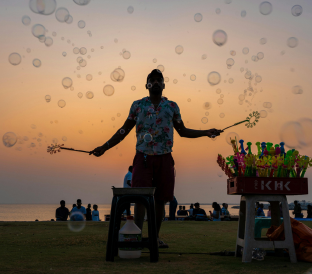
A long, open park stretching along the coast. Locals gather here for kite flying, picnics, and street food as the sun sets over the Indian Ocean. It’s also home to the luxurious Galle Face Hotel, one of the oldest in Asia.
Standing at 350 meters, this is South Asia’s tallest tower. It houses a telecom center, revolving restaurant, observation deck, and shopping complex. The tower’s lotus-bud shape is a symbol of Sri Lankan identity.
An energetic and chaotic bazaar in Colombo 11, known for its narrow streets packed with vendors selling everything from electronics and fabrics to spices and fruit. The Red Mosque (Jami Ul-Alfar) is also located here and is an architectural gem.
Founded in 1877, this is the largest museum in Sri Lanka and houses an impressive collection of artifacts, royal regalia, and Buddhist relics. It’s located in Cinnamon Gardens, one of the city’s most beautiful areas.
For lovers of modern art and local creativity, Colombo offers spaces that showcase Sri Lankan artists, crafts, and photography. Barefoot also has a popular café and boutique.
Crescat Boulevard, One Galle Face Mall, and Colombo City Centre offer international brands and local retailers.
Odel is a popular department store chain for souvenirs, clothing, and gifts.
Laksala and Barefoot are ideal for quality handicrafts and textiles.
Dutch Hospital Shopping Precinct: A restored colonial building turned upscale dining and shopping hub.
Colombo is a food lover’s paradise, with everything from local street food to international fine dining.
Kottu roti: Chopped roti with vegetables, meat, and spices.
Hoppers (appa): Bowl-shaped pancakes, often served with egg or curry.
Lamprais: A Dutch Burgher dish of rice, meat, and sambols wrapped in banana leaf.
Seafood: Fresh catches served grilled, curried, or fried.
Ministry of Crab – One of Asia’s top-rated seafood restaurants.
Upali’s – Local Sri Lankan cuisine in a classy setting.
Nuga Gama – Village-style buffet under a giant banyan tree.
Kaema Sutra – Contemporary Sri Lankan fusion.
Colombo has a growing nightlife scene with bars, lounges, casinos, and clubs.
Botanik, Shangri-La’s Capital Bar, and The Curve are popular spots.
Cinnamon Grand and Galle Face Hotel host regular events.
Live music, jazz nights, and beach parties are common during weekends.
Colombo is a melting pot of religions and ethnicities. You’ll find:
Temples (Buddhist, Hindu)
Mosques
Churches
Colonial cemeteries
Cultural festivals (Vesak, Deepavali, Eid, Christmas)
This diversity is reflected in the city’s cuisine, architecture, and traditions.
Negombo: Beach town just an hour away.
Kelaniya Temple: Ancient Buddhist temple 10 km from the city.
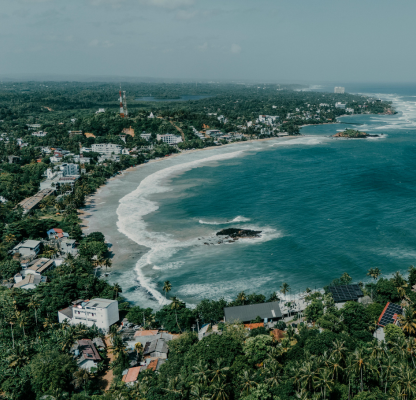
Mount Lavinia Beach: A more relaxed coastal area south of the city.
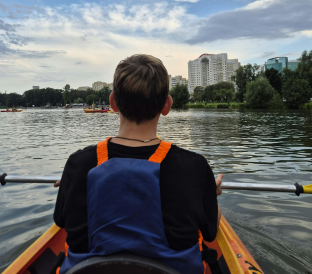
Bolgoda Lake: Great for boating and water sports.
Colombo has options for all budgets:
Luxury: Cinnamon Grand, Shangri-La Colombo, Galle Face Hotel, The Kingsbury
Boutique: Uga Residence, Maniumpathy, Taru Villas
Budget: Backpacker hostels and guesthouses in Colombo 03 and 06
The best time to visit Colombo is during the dry season from December to March, though it’s a year-round destination due to its urban appeal. Rainfall is common from May to September, but often short-lived.
Traffic can be heavy — plan ahead for airport transfers.
Use PickMe or Uber to avoid overpaying tuk-tuks.
Dress modestly when visiting religious sites.
Tap water is not drinkable — stick to bottled water.
Keep local currency (Sri Lankan Rupees) for small shops and tuk-tuks.
Colombo is more than just Sri Lanka’s capital — it’s a vibrant mosaic of culture, history, modernity, and diversity. Whether you’re exploring ancient temples, sipping cocktails on a rooftop bar, shopping for crafts, or sampling spicy street food, Colombo offers an immersive introduction to all that Sri Lanka has to offer.
It’s a city that surprises many — and welcomes all.