- 3
- 8
- 3
- 4

- No.62, Melagama, Wadduwa, Sri Lanka 12560
- 24 x 7
Located on the border between Sri Lanka’s Sabaragamuwa and Uva provinces, Udawalawe National Park is a spectacular wildlife reserve known for its large population of wild elephants and picturesque landscapes. Covering over 30,800 hectares, it was established in 1972 primarily to provide sanctuary for animals displaced by the construction of the Udawalawe Reservoir on the Walawe River.
Today, the park is a must-visit destination for wildlife lovers and photographers, offering a unique safari experience in a more accessible and less crowded setting than the better-known Yala National Park.
Udawalawe is conveniently located about:
165 km from Colombo (around 4–5 hours by car)
100 km from Ella or Nuwara Eliya
40 km from Embilipitiya, the nearest major town
Thanks to its central position, Udawalawe is easily added to many Sri Lanka itineraries, especially for those traveling between the hill country and the southern coast.
One of the things that sets Udawalawe apart is its open terrain. Unlike dense forest parks, Udawalawe’s landscape consists of:
Grassy plains
Scrubland
Teak plantations
Wetlands
Man-made reservoir (Udawalawe Reservoir)
This openness provides excellent visibility for wildlife spotting and photography, making it one of the most rewarding safari destinations in South Asia for both beginners and seasoned naturalists.
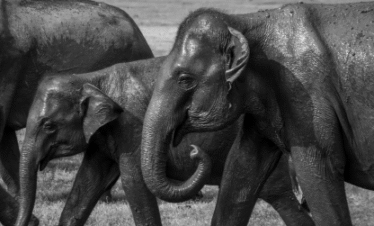
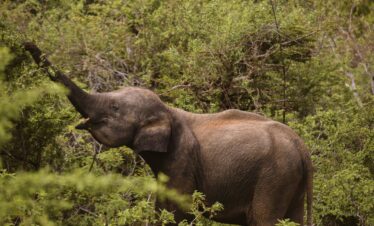
Udawalawe is most famous for its large, visible population of Asian elephants. There are around 600–700 elephants in the park, and it’s rare to go on a safari without encountering multiple herds, including calves. Watching elephants play in the water, graze, or move in majestic silence through the grasslands is an unforgettable experience.
While elephants are the stars, Udawalawe is also home to a variety of other mammals, including:
Water buffalo
Sambar deer
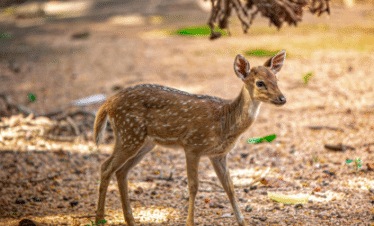
Spotted deer
Wild boar
Mongoose
Jackals
Though leopards and sloth bears are present, they are rarely seen here compared to other parks like Yala.
Udawalawe is a birdwatcher’s paradise, especially around the reservoir and wetlands. Over 180 species of birds have been recorded, including:
Eagles and hawks
Bee-eaters
Peacocks
Pelicans
Storks
Hornbills
Owls
Migratory birds also frequent the park during certain seasons.
The park is home to mugger crocodiles, monitor lizards, and a variety of snakes and frogs, especially in and around water bodies.
Safaris in Udawalawe are well-organized and easy to access, with the park open daily from 6:00 AM to 6:00 PM.
Morning Safari (best for animal activity): 6:00 AM – 9:00 AM
Evening Safari (great for birdwatching and elephants): 3:00 PM – 6:00 PM
Full-Day Safari: For wildlife enthusiasts and photographers who want extended exploration
Visitors are required to hire a 4WD safari jeep with a driver/guide, available for hire near the park entrance or through most hotels.
Guides are knowledgeable and often skilled at spotting and identifying animals.
Just outside the park entrance lies the Udawalawe Elephant Transit Home, a conservation initiative run by the Department of Wildlife Conservation. Unlike typical elephant orphanages, this facility rescues and rehabilitates baby elephants who have lost their mothers, with the goal of releasing them back into the wild.
Visitors can watch the elephants being fed milk at specific times of day (usually 9:00 AM, 12:00 PM, 3:00 PM, and 6:00 PM).
It’s an educational and ethical way to learn about elephant conservation in Sri Lanka.
Udawalawe has earned a strong reputation for its conservation focus. Unlike some other parks where overcrowding is an issue, Udawalawe remains less commercialized, and the safari experience is generally respectful and non-invasive.
To help keep it that way, visitors should:
Avoid feeding wildlife
Keep noise to a minimum during safaris
Not encourage off-road driving
Use eco-conscious tour operators
Respect park rules and local communities
There are numerous accommodation options near the park, ranging from budget to luxury:
Eco-lodges and safari camps for a close-to-nature experience
Mid-range hotels in Udawalawe town
Luxury safari resorts with all amenities
Most accommodations can arrange safari tours, park entry, and even guided visits to the Elephant Transit Home.
Udawalawe is a year-round destination, but the best wildlife viewing occurs during the dry season, from May to September, when animals gather around water sources, especially near the reservoir.
Rainy months (October to December) bring lush greenery and migratory birds, though some tracks may be muddy.
Bring a zoom lens (200mm–600mm) for wildlife shots
Early morning and late evening light offer the best conditions
Wear earth-toned clothing to blend in
Don’t forget binoculars for birds and distant animals
Udawalawe National Park offers one of Sri Lanka’s most authentic and rewarding safari experiences, especially for those looking to see elephants in the wild without the crowds found in more famous parks. Its open landscapes, abundant wildlife, and commitment to conservation make it a top destination for nature lovers, photographers, families, and anyone interested in ethical wildlife tourism.
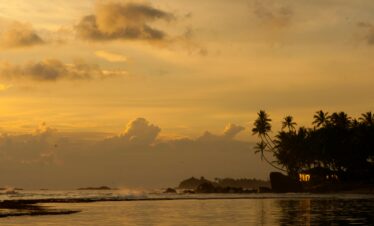
Whether you’re watching a baby elephant take its first steps or capturing the silhouette of a stork in flight against a glowing sunset, Udawalawe leaves visitors with a profound sense of connection to nature — and a desire to protect it.