- 3
- 8
- 3
- 4

- No.62, Melagama, Wadduwa, Sri Lanka 12560
- 24 x 7
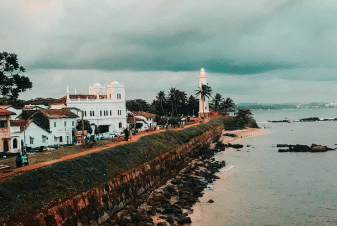
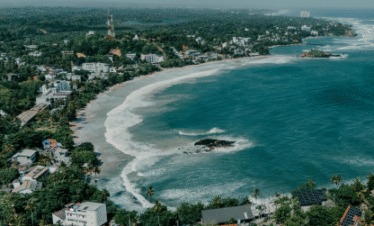
Galle is a jewel of Sri Lanka’s southern coast — a city where centuries-old history meets vibrant modern culture, and where colonial architecture blends beautifully with tropical coastal life. Located about 120 kilometers south of Colombo, Galle is one of the most popular tourist destinations in the country, primarily due to its immaculately preserved Galle Fort, a UNESCO World Heritage Site.
The city offers far more than just historical appeal. With sandy beaches, artistic communities, stylish boutiques, and a growing culinary scene, Galle delivers a full cultural and seaside experience that feels both relaxed and refined.
Distance from Colombo: Approx. 120 km
Travel time: About 2–2.5 hours by highway or 2–3.5 hours by train
Train: Scenic coastal route from Colombo to Galle, with the station located just outside the Fort.
Highway bus or private car: Via the Southern Expressway (E01).
Tuk-tuk or taxi: Common if you’re coming from nearby towns like Unawatuna or Mirissa.
Galle’s history dates back over 2,000 years, but its prominence rose sharply with Portuguese colonization in the 16th century, followed by the Dutch in the 17th century. The Galle Fort, built originally by the Portuguese and expanded by the Dutch, remains the centerpiece of the city’s colonial legacy.
Later, the British added their architectural touch, but much of the Dutch character still defines the fort today. Its cobbled lanes, bastions, churches, and thick stone ramparts make it feel like a living museum — yet it’s far from frozen in time.
Unlike many historical sites, Galle Fort is not just a monument — it’s a functioning part of the city. Locals live and work here, and the area is home to schools, mosques, churches, boutique hotels, and art galleries.
Ramparts & Lighthouse: Walk along the thick stone walls and enjoy panoramic views of the ocean and coast. The Galle Lighthouse, built in 1939, is an iconic photo spot.
Dutch Reformed Church (built in 1755): A beautifully preserved church with Dutch tombstones.
National Maritime Museum: Offers insight into Galle’s seafaring history.
Historical Mansion Museum: A quirky private collection of colonial artifacts and antiques.
All Saints’ Church: Gothic-style Anglican church with stained-glass windows.
Galle Fort is filled with:
Charming cafés offering local and international fare
Stylish boutiques selling hand-crafted jewelry, textiles, and antiques
Art galleries showcasing Sri Lankan artists
It’s an ideal place to wander without a plan.
While the Fort is Galle’s main draw, the surrounding areas offer their own charm:
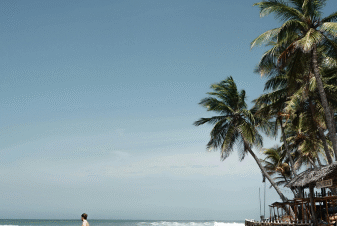
Just 6 km from Galle, this palm-fringed beach is great for swimming, snorkeling, and sunbathing. The laid-back vibe, beachfront cafés, and coral-rich waters make it one of the most popular beaches on the southern coast.
Tucked between the hills and ocean, Jungle Beach is more secluded and accessible via a short hike or boat ride. It offers calm waters, reef snorkeling, and a quiet escape.
Located along the southern coast, several hatcheries work to protect endangered sea turtles. Some allow visitors to release baby turtles into the sea — a heartwarming experience.
Rumassala is linked to the Ramayana legend and offers great coastal views. The Peace Pagoda, built by Japanese monks, is a tranquil site with spiritual and scenic appeal.
Galle’s food scene is as diverse as its history.
Rice & curry served in traditional clay pots
Fish ambul thiyal (sour fish curry)
Hoppers (fermented rice pancakes)
Sri Lankan street snacks like vadai and isso wade
A Minute by Tuk Tuk: Fusion fare with a view of the ramparts
Chambers: Moroccan-inspired cuisine inside the Fort
Fortaleza: A chic spot for contemporary Sri Lankan meals
The Tuna & The Crab: Seafood with a touch of Ministry of Crab-style flair
Cafés inside the Fort offer excellent coffee, tea, desserts, and free Wi-Fi — great for digital nomads and travelers.
Galle offers everything from luxury boutique hotels to heritage guesthouses:
Amangalla: Ultra-luxury hotel in a former Dutch colonial building
Fort Bazaar: Stylish boutique hotel with a central location
The Heritage Galle Fort: Affordable and atmospheric stay in a colonial house
Jetwing Lighthouse: Upscale hotel designed by Geoffrey Bawa, with coastal views
Le Grand Galle: Modern resort with premium amenities
Budget hostels and homestays are widely available in nearby areas
December to April: Dry season on the south coast with sunny skies and calm seas — best for sightseeing and beach activities.
May to September: Monsoon season brings heavy rain, but fewer tourists and lower prices.
July–August: Cultural events and traditional festivals often occur.
Galle Literary Festival (January): One of South Asia’s most prestigious literary events.
Vesak Festival (May): Buddhist holiday with lanterns and temple celebrations.
Traditional Peraheras (processions) may also be held in and around the city.
Footwear: Wear comfortable shoes — cobblestone streets in the Fort can be uneven.
Sun Protection: The coastal sun can be strong — bring sunscreen and a hat.
Respect Heritage: Some sites are active places of worship or homes — be polite and dress modestly.
Bargaining: In local markets outside the Fort, haggling is expected.
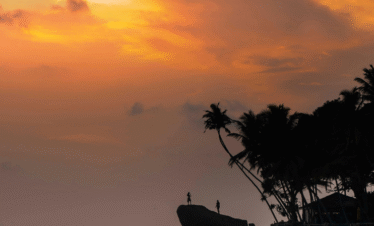
Photography: Sunsets from the Fort walls are spectacular — don’t forget your camera.
Galle offers a rare fusion of history, culture, and coastal beauty. Whether you’re walking the ramparts of the Fort at sunset, sipping tea in a Dutch colonial café, browsing a boutique for handcrafted souvenirs, or diving into the waters just beyond the city — Galle offers an experience that is both timeless and contemporary.
For travelers seeking a deeper cultural connection and a touch of elegance by the sea, Galle is not just a stop — it’s a destination to savor.