- 3
- 8
- 3
- 4

- No.62, Melagama, Wadduwa, Sri Lanka 12560
- 24 x 7
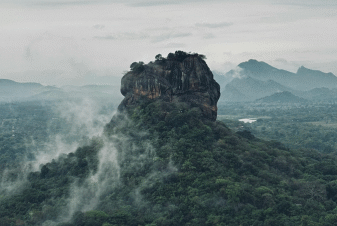
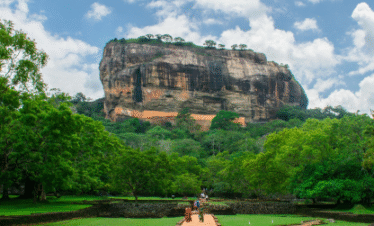
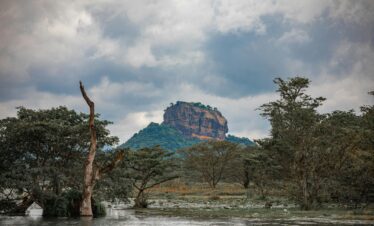
Sigiriya, also referred to as Sinhagiri or Lion Rock, is a magnificent ancient rock fortress located in the central Matale District of Sri Lanka, near the town of Dambulla. Towering about 200 meters (660 feet) above the surrounding plains, Sigiriya is one of the most treasured historical and archaeological sites in Asia and a UNESCO World Heritage Site since 1982. Its name, derived from the words “Sinha” (lion) and “Giriya” (rock), captures the awe-inspiring presence of the once-majestic lion structure that stood guarding the entrance to the summit.
Sigiriya is often celebrated as one of the best-preserved examples of ancient urban planning, combining elements of architecture, engineering, landscape design, and art. The site served multiple roles throughout history — as a royal fortress, a Buddhist monastery, and now, a globally recognized heritage attraction. Its dramatic history, innovative design, and stunning aesthetics make Sigiriya not just a historical monument but a symbol of Sri Lanka’s cultural heritage.
The most accepted historical account traces Sigiriya back to the reign of King Kashyapa I, who ruled from 477 to 495 AD. According to ancient chronicles like the Culavamsa, Kashyapa was the son of King Dhatusena. After overthrowing and killing his father in a coup, Kashyapa seized the throne from his brother Moggallana, the rightful heir. Fearing retribution and wanting a secure stronghold, Kashyapa chose the remote and formidable Sigiriya rock as the site for his new capital.
He transformed the giant rock and the surrounding areas into a heavily fortified royal complex, complete with elaborate palaces, water gardens, moats, and defensive walls. The summit became the king’s private residence, while the lower grounds hosted administrative and recreational facilities. However, Kashyapa’s reign ended in tragedy when he was defeated in battle by his brother Moggallana, who returned from exile. After his death, Sigiriya ceased to be a royal residence and was converted into a Buddhist monastery, remaining so until the 14th century.
Sigiriya is a brilliant example of ancient ingenuity and city planning. The entire complex is divided into five main areas: the moat and rampart, the water gardens, the boulder gardens, the terraced gardens, and the summit palace.
Located symmetrically at the base of the rock, the water gardens are some of the oldest landscaped gardens in the world. They consist of pools, fountains, and bathing areas arranged in precise geometrical patterns. Some fountains still function during the rainy season — a testament to the advanced hydraulic engineering of ancient Sri Lanka.
As one ascends Sigiriya, the terrain transitions into the boulder gardens. These areas contain natural rock formations creatively integrated into the site’s defensive and aesthetic design. Many of the boulders were used as platforms for pavilions and structures, while some were hollowed out to create shelters for monks or guards.
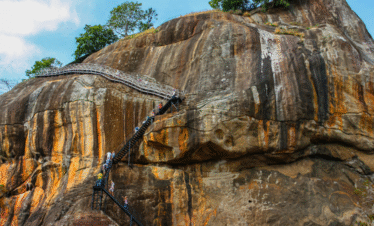
The terraced gardens lie along the lower slopes of the rock and are carved out of the natural rock. These terraces follow the natural contours and feature narrow stairways and pathways that wind their way up toward the summit.
One of the most iconic features of Sigiriya is the Lion’s Gate. Halfway up the rock face, visitors pass through what was once a gigantic stone lion statue. Today, only the two massive forepaws remain, flanking a staircase that leads to the upper palace. This grand lion served both a symbolic and practical role — representing power and serving as a formidable deterrent to enemies.
Adjacent to this area is the Mirror Wall, a once-polished surface of white plaster that still gleams in places. Ancient visitors, inspired by the site’s beauty, inscribed poems and graffiti on the wall — some dating back over a thousand years. These inscriptions offer fascinating insights into the thoughts, emotions, and language of early travelers.
One of Sigiriya’s most remarkable artistic treasures is the series of frescoes painted on the western face of the rock. These depict beautiful celestial maidens or apsaras, believed to be either divine nymphs or consorts of the king. The frescoes are vibrant, sensuous, and unique in style, displaying remarkable use of color and form. Originally, there may have been over 500 such paintings; today, only about 21 survive in reasonably good condition.
These frescoes, unlike the religious art typically seen in Buddhist temples, are secular and sensual in nature — sparking ongoing scholarly debate regarding their symbolic meaning and cultural context.
The flat summit of Sigiriya rock, which spans approximately 1.5 hectares, houses the remnants of King Kashyapa’s palace, complete with cisterns, foundations of buildings, and lookout points. The summit offers panoramic views of the lush jungle and surrounding plains, adding to the site’s allure.
The palace complex at the summit showcases the high level of sophistication in design, planning, and architecture achieved by ancient Sri Lankan civilization. The strategic positioning of the structures suggests military foresight, while the decorative elements highlight a refined appreciation for art and aesthetics.
Sigiriya is more than just a fortress; it’s a living testament to a rich civilization that thrived over a millennium ago. It reflects the cultural, political, and religious transitions of Sri Lankan history — from royal ambition and architectural prowess to monastic devotion and artistic expression.
Scholars also view Sigiriya as an embodiment of the ideal city described in ancient Sanskrit texts — where nature, humanity, and divinity coexist in harmony. Its influence is seen in later Sinhalese architecture and garden design.
Today, Sigiriya is one of Sri Lanka’s top tourist destinations, drawing hundreds of thousands of visitors annually. It is part of the Cultural Triangle, which includes other historical sites such as Anuradhapura, Polonnaruwa, and Dambulla.
Due to its historical and ecological value, conservation efforts are ongoing. Sri Lanka’s Department of Archaeology, along with international organizations like UNESCO, work to preserve the site against threats such as erosion, tourism impact, and climate change.
Sigiriya stands as a monumental testament to human creativity, ambition, and resilience. Whether admired for its breathtaking views, architectural mastery, or the mysteries of its past, Sigiriya continues to captivate the hearts and minds of those who visit. It is not only a national treasure of Sri Lanka but also a beacon of ancient ingenuity and cultural brilliance.